Sovereign workplace and private AI

Your data under your control.

DCS helps organizations such as public-sector and regulated institutions reduce strategic dependency on foreign-controlled cloud, productivity, and AI platforms without forcing a risky overnight migration.

The dependency problem

Your digital workplace is now critical infrastructure.

Microsoft 365, Google Workspace, Azure, Google Cloud, and adjacent AI services have become operational defaults for email, files, identity, documents, meetings, search, and automation.

  • Costs, licensing rules, and platform roadmaps are largely outside the customer's control.
  • Sensitive data and administrative access can sit inside foreign-governed ecosystems.
  • AI adoption risks creating a new layer of lock-in on top of existing cloud dependency.
  • Open-source alternatives exist, but they are difficult to integrate, secure, operate, and support alone.

The DCS value proposition

Compatibility first. Control where it matters.

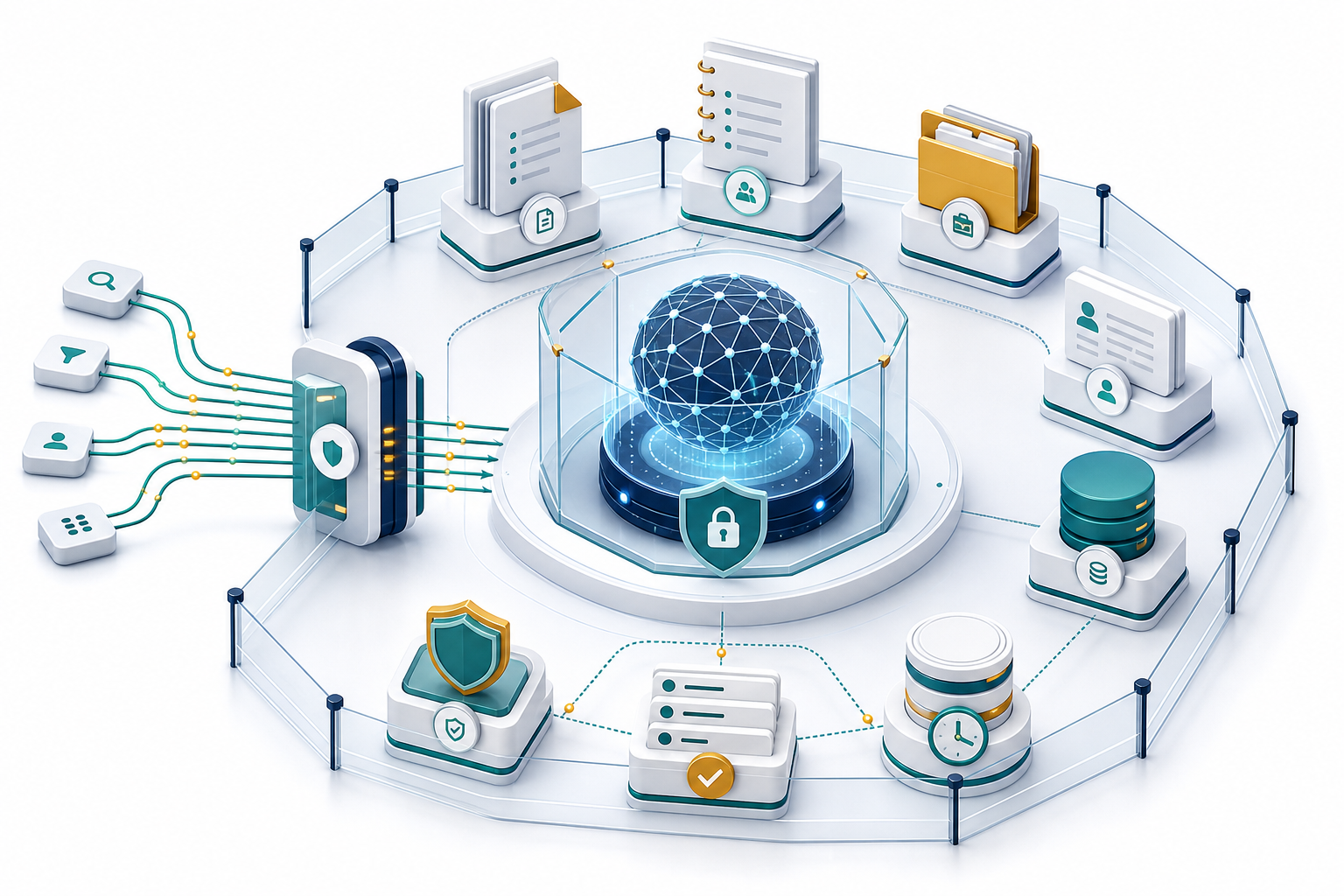
DCS provides a managed digital control layer that works with existing Microsoft 365 and Google Workspace environments while creating a path to open-source, sovereign alternatives for sensitive workflows.

01

Compatibility with Microsoft 365 and Google Workspace for low-disruption adoption.

02

Minimal day-to-day change for users, employees, partners, and stakeholders.

03

Identity, MFA, role-based access, audit logs, retention, and export readiness.

04

Optional migration paths for files, documents, email, calendar, chat, video, wiki, tasks, and knowledge workflows.

Private AI

AI inside your governance boundary.

DCS can add AI assistants for internal search, meeting summaries, FOI/ATIP support, policy lookup, procurement drafting, and bilingual knowledge work. Models such as Mistral can be self-hosted or privately deployed where appropriate.

Europe is moving

Governments are pursuing digital sovereignty to reduce over-dependence on a small group of mostly US cloud, productivity, and AI providers.

Germany's model

ZenDiS, openDesk, and openCode show how public administrations can package open-source workplace tools and shared code into sovereign alternatives.

France's cloud doctrine

France's trusted-cloud approach and SecNumCloud certification emphasize jurisdiction, security, and protection from non-European extraterritorial access.

Start here

Sovereignty readiness assessment

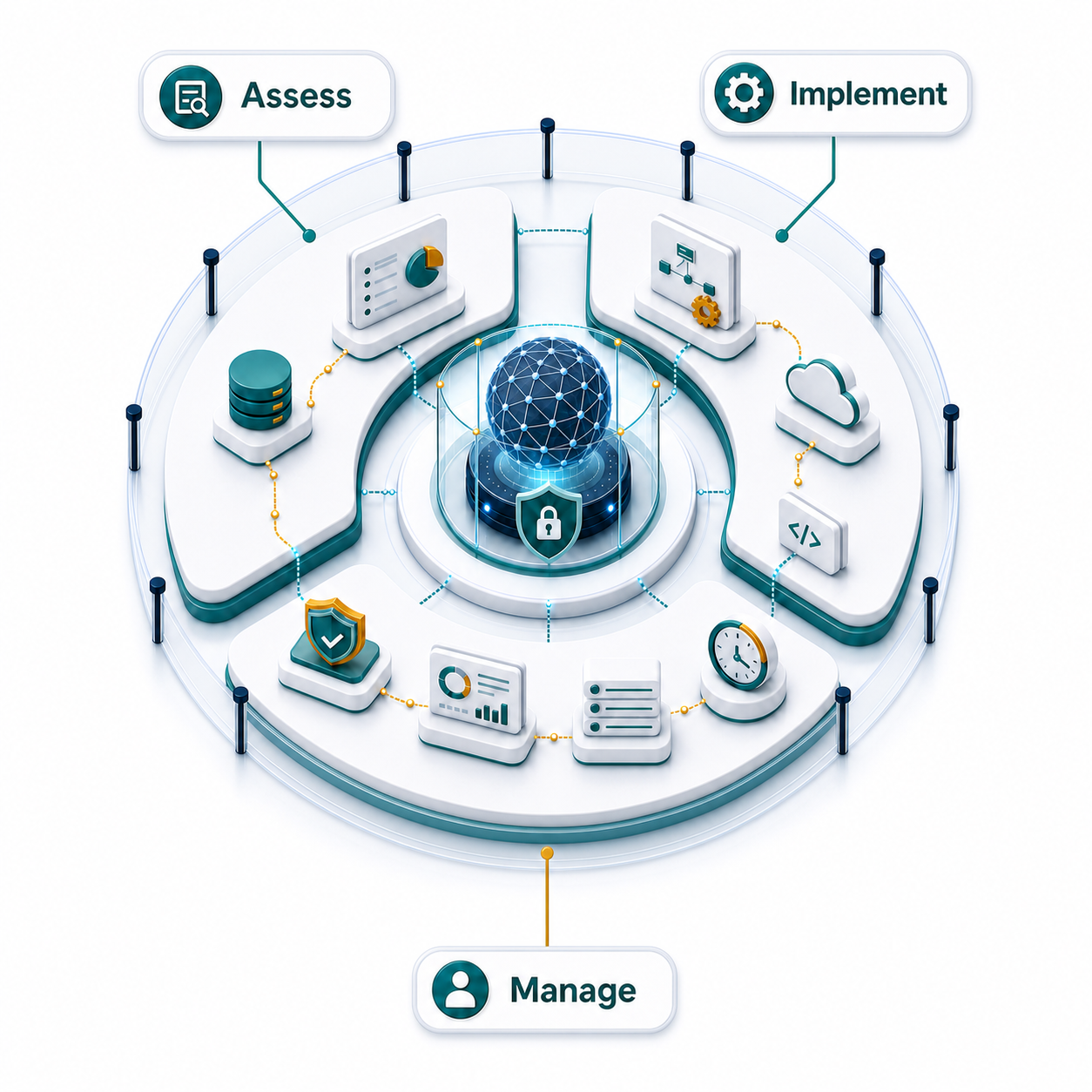
Map your current dependencies, identify sensitive workflows, evaluate AI risk, and define a practical 90-day pilot.

  1. Dependency and data-flow map
  2. Sensitive-workflow shortlist
  3. Coexistence and migration plan
  4. Private AI pilot design
Request an assessment